


2025-10-11T06:53:07
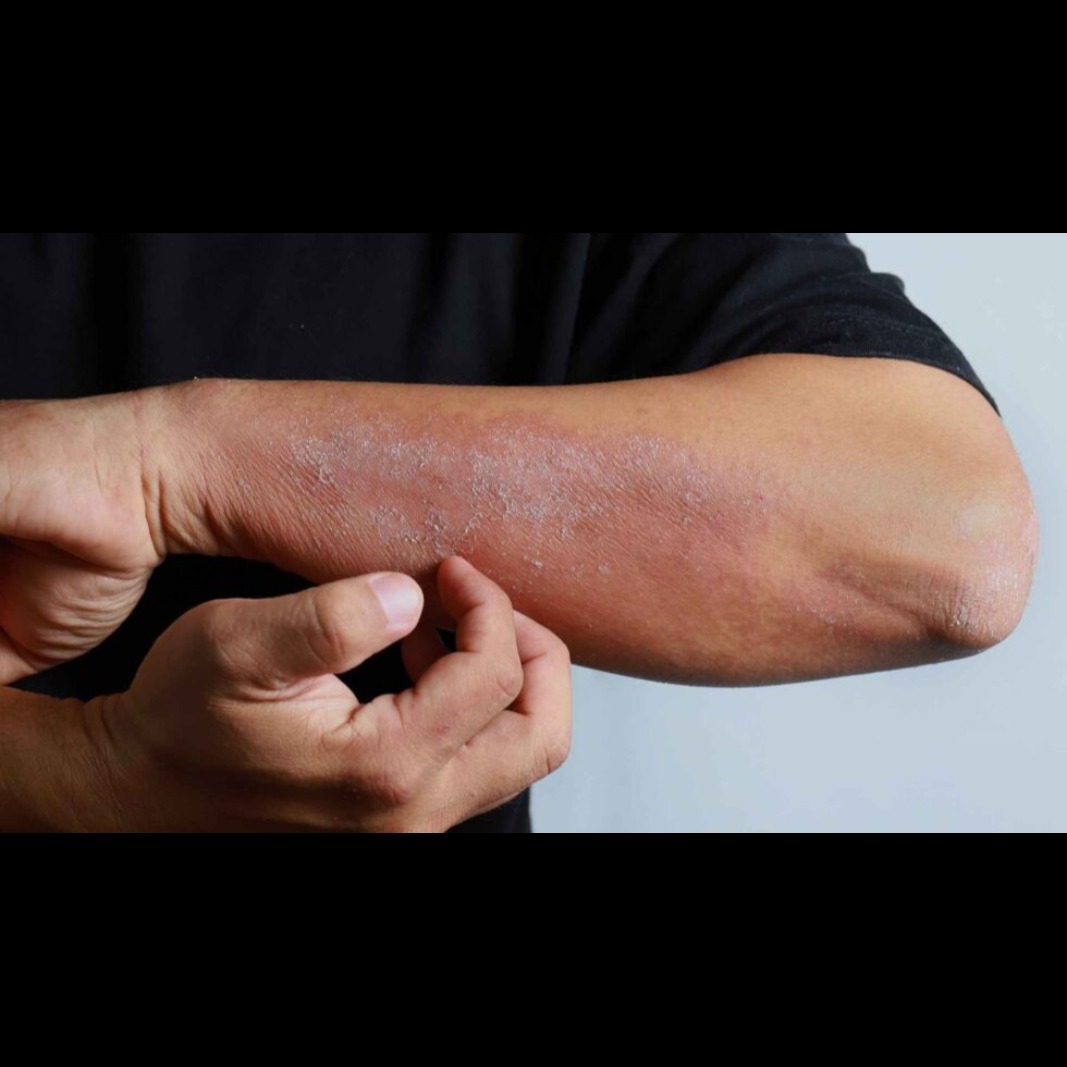
How Humidity Affects Your Skin — and What You Can Do About It 🌦️ Introduction When the air is heavy with moisture, your skin reacts — often in unpleasant ways. High humidity causes sweat, oil, and dirt to accumulate on the skin, leading to clogged pores, breakouts, and fungal infections. Whether it’s the monsoon season or a hot, sticky day, understanding how humidity affects your skin can help you protect it effectively. 💧 How Humidity Impacts the Skin Increases Oil Production Warm and humid air triggers your sebaceous glands to produce more oil. This can make your skin greasy and prone to acne, especially around the forehead and nose. Clogs Pores and Traps Dirt Sweat, oil, and pollution combine to block pores, resulting in whiteheads, blackheads, and pimples. Encourages Fungal Growth Fungi thrive in moist environments, leading to infections in body folds, underarms, and feet. Causes Skin Irritation Prolonged dampness can cause rashes, itchiness, and prickly heat. People with sensitive skin may notice flare-ups of eczema or allergies. 🧴 How to Care for Your Skin in Humid Weather Cleanse Gently: Use a mild, pH-balanced cleanser twice a day to remove excess oil. Moisturize Wisely: Choose a light, water-based moisturizer that hydrates without greasiness. Use Sunscreen: Even on cloudy days, UV rays can damage your skin. Stay Dry: Change sweaty clothes quickly and keep body folds clean. Stay Hydrated: Drink water and include fruits and vegetables that nourish your skin. 🩺 Expert Care at Paavai Hospital At Paavai Hospital Eye & Skin Care, Salem, our dermatologists provide personalized skin consultations to help you manage humidity-related skin problems. Using advanced diagnostic techniques and safe medical-grade treatments, we help maintain your skin’s natural balance and glow — even during humid months.